Can organic farming feed the entire world? In the past decade, sales of various types of organic drinks and food have topped $80 billion, a five times increase from the past, and several different types of fields in which the main demand for an organic product exceeds supply. Organic farming has emerged as a growing alternative to traditional farming techniques. Emphasizing its benefits for both human health and environmental sustainability, research consistently shows that organic farming enhances crops’ nutritional value, soil quality, and reduces atmospheric pollution compared to conventional farming.
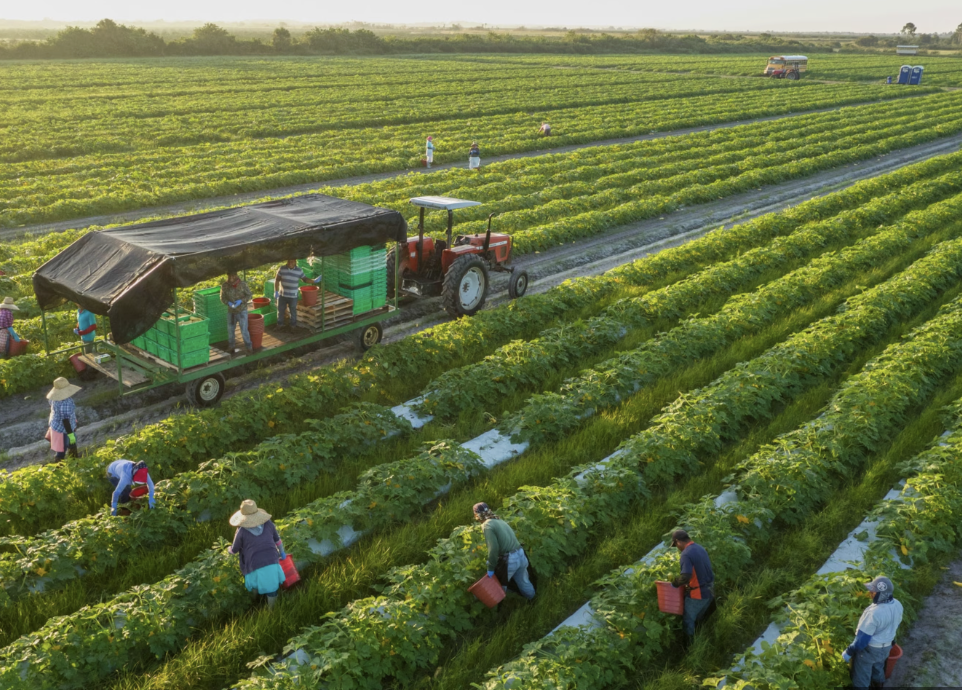
Industrial conventional farming relies heavily on chemical-based fertilizers, which maximize production and crop quality; however, organic farming prioritizes natural inputs such as biofertilizers, crop rotation, and intercropping. These practices not only restore soil fertility but also enrich the soil with essential nutrients. By avoiding synthetic pesticides and relying on bio-fertilizers, organic farming reduces exposure to toxins linked to cancer, diabetes, and cardiovascular diseases, making these crops healthier for humans overall. Certain studies have shown organic foods contain as much as 20% higher concentrations of vitamin C, amino acids, carotene, and polyphenols, providing greater antioxidant and immune-boosting benefits.
Environmentally, organic farming lowers overall greenhouse gas emissions, contributing to the stability of our atmosphere. Traditional farming is responsible for the tremendous carbon and nitrous oxide presence in the air due to the great pesticides and fertilizers. Using the Organic system, methods like intercropping, tillage, and crop diversification work together to control the amount of carbon in the air and in the soil. These methods not only prevent soil erosion but also enhance biodiversity, promoting disease-suppressive soils, creating self-sustaining ecosystems.
Organic farming does, however, face its own challenges. A relatively low yield compared to conventional systems raises major concerns about global food security. Yet, changes like relay intercropping, permaculture, and plant breeding tailored for organic conditions help to lower this gap. Many organizations, like the European Union’s Common Agricultural Policy, offer organic price premiums and various subsidies, encouraging farmers to adopt this sustainable practice.
While organic farming may not be the permanent solution yet, or match its competitor in volume, its benefits for nutrition, soil health, and the atmosphere make it a vital part of the future and sustainable food systems. By valuing health and environmental integrity over sheer productivity, organic agriculture offers a viable path toward a cleaner, more nourishing planet.
Sources:
https://www.sciencedirect.com/science/article/pii/S1658077X2300070X#b0230
https://www.sciencedirect.com/science/article/pii/S1658077X2300070X#b0420
https://www.sciencedirect.com/science/article/pii/S1658077X2300070X#b0565