
Coastal areas around the world are facing erosion, stronger storms that lead to flooding, and
rising sea levels as a result of climate change. Human created CO2 emissions are the biggest
contributor to this trend as carbon dioxide traps heat in the atmosphere, contributing to rising
global temperatures. Structures like seawalls and bulkheads are widely used to protect
shorelines from storm damage, but over time, these man made structures wear down, resulting
in polluted waters and costly repairs. As a result, researchers are developing more sustainable
alternatives that can be durable and work with nature inspired materials. One exciting approach
involves a hybrid reef: a group of eco-friendly cement blocks that naturally attract living oyster
colonies (See Figure 1). Over time, these reefs grow in size and strength, defending shorelines
from water surges and damage. Designed to be self healing, these structures resemble natural
shell formations and allow the reef to withstand storms while supporting the surrounding
ecosystem.
Hybrid reefs begin with engineered, concrete modules (See Figure 2) which are designed to
serve as both coastal protection and a habitat for marine life. They have textured surfaces where
oysters can easily attach and grow, as well as openings meant to reduce wave energy. (Rutgers
University, 2024) Fishing industries creates a tremendous amount of waste with 10 million tons dumped at sea or in landfills each year. Recycling these materials for cement not only reduces this waste, but also
removes the need for mining sand and gravel used in cement mix as well. As living oysters are
attracted to and grow on these modules, they deposit calcium carbonate and slowly strengthen,
allowing the reef to evolve into a fortified, living barrier protecting shorelines.
In addition to the design benefits of the concrete modules, the ‘living’ part of hybrid reefs provide
environmental benefits that traditional infrastructure currently does not. As oysters attach
themselves and grow on these structures, they are able to build their calcium carbonate shells
by extracting carbon ions from the seawater and “effectively sequestering carbon within their
shell structure.” In addition, a single oyster can filter up to 50 gallons of water each day while
improving its quality and supporting healthier ecosystems. The reef also creates a habitat not
only for oysters, but also for fish and other marine life, helping to restore the populations in areas
where natural reefs have disappeared. As oysters grow, they add texture and structure to the
reef which absorbs wave energy minimizing potential damage to the coastline. These processes
allow hybrid reefs to function as protective barriers and living systems that improve their
surrounding environment over time.
When looking at the Enroads simulator, increasing industrial energy efficiency and carbon
removal, each play an important role in reducing CO2 emissions. When looking specifically at
the ‘Industry Energy Efficiency’ slider, the model shows how increasing efficiency in the industrial
production of cement lowers the total effect on ‘Greenhouse Gas Net Emissions’. Portland
cement requires extremely high temperatures and large amounts of energy to make, while the
shell based alternative requires far less energy to make.
The ‘Technological Carbon Dioxide Removal’ slider for mineralization, connects to the way oysters store carbon within their shells and the reef structure. Although hybrid reefs are very new and small in scale, they show how two different strategies for nature based technology can be combined to make an even greater
environmental impact.
While hybrid reefs offer promising benefits, the human, ethical, and environmental impacts need
to be considered. The Tyndall Air Force Base project is an example of a hybrid reef installation
that took years of planning, and the cooperation of over 60 research centers around the world.
The $12.6M cost was for only a portion of the project and its full effects won’t be known for years
until the oysters fully colonize and the reef fully grows. This can be a challenge as communities
may expect immediate protection even though living reefs need time to develop. In addition, the
introduction of any new reef placed in water requires careful planning to make sure that it
supports local ecosystems rather than disrupts them.
Although hybrid reef projects are mostly seen in coastal areas (NJ has 140 miles), the idea
behind it can still be applied locally because they demonstrate how nature based solutions can
address climate challenges. This is particularly important as New Jersey has nearly 1800 miles
of tidal coastline (Fig. 3), including nearby areas like Trenton and Hamilton that are connected to
tidal waterways and vulnerable to erosion and habitat loss. Taking a close look and considering
living shoreline approaches show how technology and ecology can work together to protect and
improve our marine ecosystems, while also reducing emissions. Looking even further,
communities and schools like Lawrenceville could consider how low carbon building materials,
such as shell based cement, could be incorporated into future development and their goal of
50% reduction in carbon emissions by 2035. As people around the world continue to focus on
climate, hybrid reefs and their parts, offer an example of how combining natural processes with
innovative design can help build a more resilient environment.
Figure 1: This diagram shows the structural components of a hybrid reef system, including the lattice structure, the permeable base, the textured surfaces for coral and oyster attraction, and the low carbon concrete materials designed to enhance durability and integration.
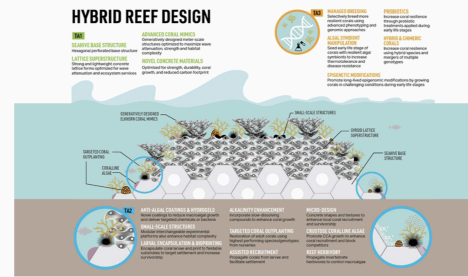
Figure 2: This is the honeycombed hybrid reef module that’s designed to reduce wave energy and provide textured surfaces which encourage oyster attachment and long term coastal stabilization.
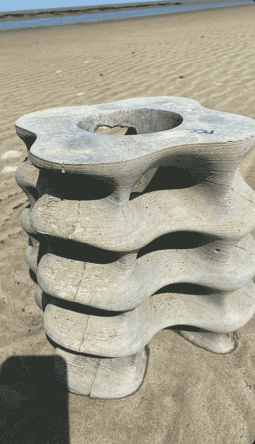
Figure 3: Map of NJ Coastal Municipalities Figure description: The darker blue area shows New Jersey’s Tidal Waterway: areas in Mercer Country include neighboring Hamilton and Trenton may influence
Works Cited:
“Researchers, U.S. Military Install Concrete Modules with Self-Healing Oyster Reef Structure in Florida Panhandle Bay to Protect Base.” Rutgers.edu,
2024,www.rutgers.edu/news/researchers-us-military-install-concrete-modules-self-healing-oyster-reef-stru cture-florida.
Orf, Darren. Engineers Discovered the Spectacular Secret to Making 17X Stronger Cement, 23 Feb. 2026, www.popularmechanics.com/science/animals/a70463889/engineers-find-durable-cement-secret-stronger/
Watts, Jonathan. “Concrete: The Most Destructive Material on Earth.” The Guardian, Guardian News and Media, 25 Feb. 2019,
www.theguardian.com/cities/2019/feb/25/concrete-the-most-destructive-material-on-earth.
Gregory, Jeremy. “Concrete.” MIT Climate Portal, 25 July 2025, climate.mit.edu/explainers/concrete .
Schriviner, Karen, et al. “This New Material Could Change How We Make #cement – and Cut 500 Million Tons of #emissions by 2030.” World Economic Forum, 27 Oct. 2023,
www.weforum.org/stories/2023/10/this-new-material-could-change-how-we-make-cement-forever-and-cut 500-million-tonnes-of-emissions-by-2030 /.
“Seashells Offer Climate Solution.” The Ecologist, 2 Dec. 2025,
theecologist.org/2025/dec/02/seashells-offer-climate-solution . Accessed 28 Feb. 2026.
Topić Popović, Natalija, et al. “Shell Waste Management and Utilization: Mitigating Organic Pollution and Enhancing Sustainability.” Applied Sciences, vol. 13, no. 1, 2 Jan. 2023, p. 623, https://doi.org/10.3390/app13010623.
“Oysters: Climate Heroes of the Coast.” World Wildlife Fund, 2025,
www.worldwildlife.org/resources/explainers/wildlife-climate-heroes/oysters-unsung-heroes-in-a-c hanging-climate/.
Oysters: Climate Heroes of the Coast.” World Wildlife Fund, 2025,
www.worldwildlife.org/resources/explainers/wildlife-climate-heroes/oysters-unsung-heroes-in-a-c hanging-climate/.
“Researchers Improve Cement with Shrimp Shell Nanoparticles.” WSU Insider, news.wsu.edu/press-release/2022/08/02/researchers-improve-cement-with-shrimp-shell-nanopa rticles/.
“Researchers, U.S. Military Install Concrete Modules with Self-Healing Oyster Reef Structure in Florida Panhandle Bay to Protect Base.” Rutgers.edu, 2024,
www.rutgers.edu/news/researchers-us-military-install-concrete-modules-self-healing-oyster-reef structure-florida.
NJDEP-Coastal Management Program.” Nj.gov, 2016, www.nj.gov/dep/cmp/.
“X-REEFS Project.” Miami.edu, Oct. 2024,
x-reefs.earth.miami.edu/about/x-reefs-project/index.html.
“Researchers, U.S. Military Install Concrete Modules with Self-Healing Oyster Reef Structure in Florida Panhandle Bay to Protect Base.” Rutgers.edu, 2024,
www.rutgers.edu/news/researchers-us-military-install-concrete-modules-self-healing-oyster-ree f-structure-florida.