
Paris is often referred to as the “fashion capital” of the world; with glitzy buildings, fancy couture runways, and well-dressed city folk, it’s easy to see why. Global warming, on the contrary, is much less glamorous yet prevalent in the ever-hotter city. As consumers of clothing, we must consider how we consume, and just as importantly, where we get our clothes from.
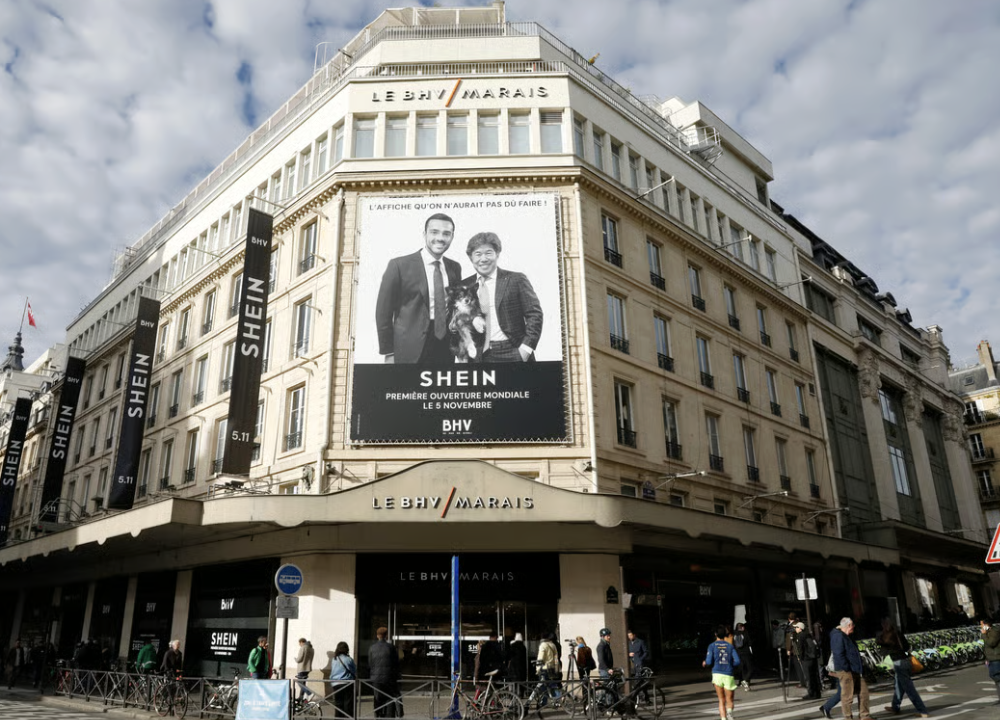
France sees the dangerous effects of fast fashion on the environment, and is undertaking revolutionary legislative steps to limit these brands from continuing their abusive business practices on French territory. Simultaneously, ultra-fast fashion commerce company SHEIN is still actively looking to enter the physical French retail market through an in-person department store level in the heart of one of Paris’s largest department stores.
From the antitheses, a question emerges: can the French government and people halt SHEIN, and other ultra-fast fashion companies before they grow uncontrollable, or have these countries already escaped the limitations any nation can place on them?
The fast fashion industry creates 92 million tons of textile waste every year—waste that rots in landfills and pollutes our oceans—and fashion manufacturing itself contributes up to 10% of total CO2 emissions yearly. The pieces from brands like SHEIN and TEMU have even shorter life spans, resulting from poor fabrics (made out of pollutant-destined plastics) and cheap craftsmanship. However, the fashion industry remains relatively unchecked in relation to climate change, despite its detrimental effects.
On March 14, 2024, France’s lower house unanimously approved a bill penalizing ultra-fast fashion companies. On June 10, 2025, the French Senate supported a revised version, specifying that brands selling clothing that evades environmental regulations or does not abide by price increases by 2030 will receive monetary penalties. Not only will these taxes ensure companies are more considerate of the environment, but they will also help workers earn higher wages and promote consumer awareness. While all sectors of government still need to unify and deliberate on the final law, the proposed bill inspires hope.
Despite aggression towards their practices from the French government, SHEIN opened a sector in the BHV Marais department store on November 5 2025.
France is taking steps in the right direction; the real question becomes how it will continue to evolve, and how will other nations follow suit? In a world dominated by social media, links, and online shopping, it is easier than ever to indulge in your clothing cravings. Legislators must find ways to regulate the most harmful of these retailers, and activists must inspire the average person to do the same.
Source: