
One of the biggest environmental problems faced by China today is how to dispose of their waste. China’s rapid urbanisation has led to a concerning level of accumulated solid waste; currently, they are one of the world’s largest producers of solid waste, and the government is having trouble managing the sheer volume of all of the waste that is generated. For more than a decade, more than ⅓ of the collected waste was discarded into sub-standard landfills, which released chemicals into the surrounding soil and groundwater and emitted methane (methane is a gas more potent than CO₂). Additionally, even older solid waste-to-energy plants are problematic because they require the burning of coal along with the waste to generate enough heat to sustain the combustion process.
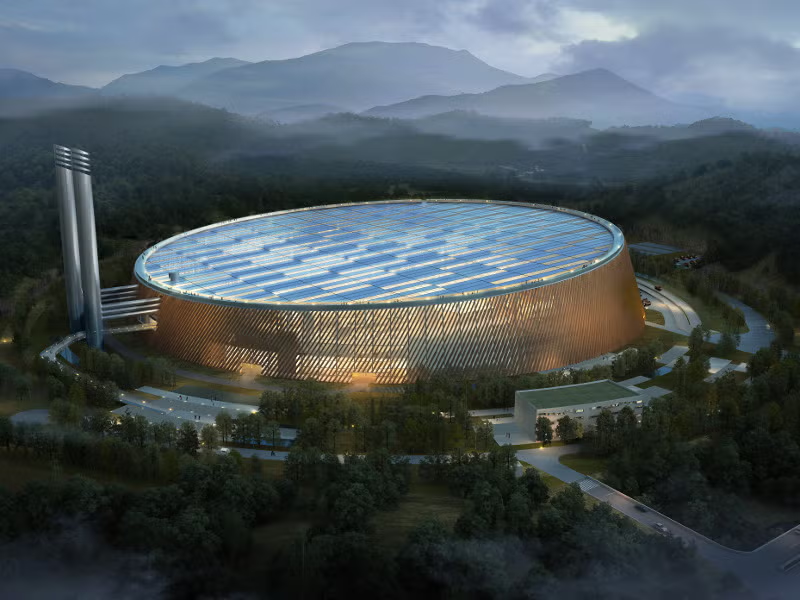
In an effort to solve this problem, they have made the Municipal Waste-to-Energy Project, which is an initiative to make high-tech plants that use waste as a fuel to generate electricity. The Municipal Waste-to-Energy Project is not just a government project but a model involving private companies; these companies own plants under government contract, operating them for a specific length of time. Currently, four plants have been completed and are operational, producing a combined total of 480 gigawatts of electricity per year and preventing an estimated 544,000 tons of carbon dioxide from being released into the atmosphere.
China, with the help from the Asian Development Bank, has changed its power industry from one based on coal to one based on modern technology that requires no more than a small amount of coal. To meet environmental regulations and ensure the highest quality air production, the plants are equipped with an advanced filtration system. Their system decreases the amount of solid waste by 90%, including the collection and purification of the liquid waste from each facility before it reaches water sources used by families.
Additionally, the project has made significant improvements at the individual level by communicating with local communities prior to starting construction on power generating facilities. These facilities not only provide local residents with stable employment opportunities but also improve the quality of life in the communities surrounding the facility. Community members have noticed improved living conditions through cleaner streets, better air quality, and safer drinking water.
As a result of the success of Phase 1, they are starting phase 2 of the project in smaller cities and towns. Furthermore, this positive outcome has the potential to serve as a potential solution for other developing nations within Asia to continue cleanup efforts.
Sources