
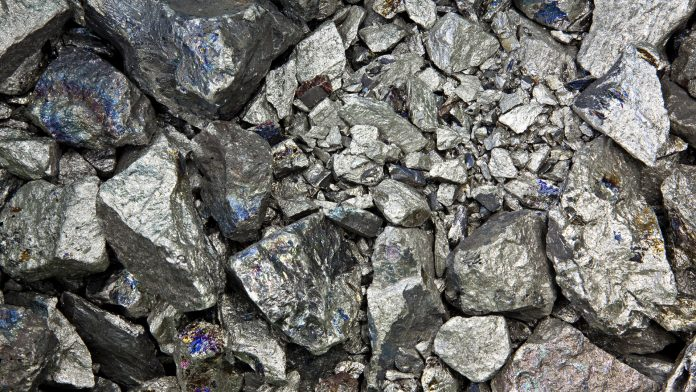
Nickel is a critical component of many things we use and see in our daily lives. It’s essential in electric vehicle batteries, stainless steel, aerospace and defense, AI and data centers, clean energy, and nuclear power. With so many uses for it, the nickel industry is a constantly active one, but traditional nickel mining practices are currently unsustainable and harmful to the environment, making it one of the most polluting industries. Nickel is mainly mined through underground or open-pit methods which can cause deforestation, habitat destruction, soil erosion, loss of biodiversity, water contamination, and greenhouse gas emissions. Today’s methods of nickel sourcing aren’t fast enough to keep up with the world’s demands, and nickel is becoming less and less abundant, with the nickel found in soil too low for effective extraction.
Let’s face it – nickel extraction isn’t going away overnight, and to keep up with the demand for nickel, things would only get worse with these methods. But what if there was a way to make it more sustainable and better for the environment while also making the nickel sourcing faster and getting more amounts of nickel?
Genomines, a biotech startup, has made this their mission. They recover metals from plants through a process called “phytomining”. Despite its ambitious premise, they have found a type of daisy known as a hyperaccumulator, meaning it can naturally absorb the metals from the soil and store it in high concentrations in its stems and leaves. This means that they don’t have to dig underground and disrupt environments, because the nickel is all in the plant. What’s more, Genomines used synthetic biology and gene editing to make the plants about three times larger, enabling them to soak up twice as much nickel. As for the abundance of nickel, the plants can actually now access the nickel in the soil much more effectively because they are able to concentrate the metal from the soil in their biomass. While the high nickel levels from the natural weathering of rocks prevent traditional farming, it’s perfect for these plants. After the metal is absorbed and the plants grow for a few months, the crop is harvested, dried, and heated in order to produce the nickel oxide from the biomass. Then, the battery-grade nickel oxide is sold and can be refined. This way faster, more efficient, and most importantly environmentally friendly process could very well become the future of nickel mining, changing the industry as we know it for the better.
Sources
https://www.britannica.com/technology/nickel-processing
https://www.goodgoodgood.co/articles/genomines-extracting-nickel-from-plants